Tractor Supply's Role in West Virginia's Sustainable Agriculture
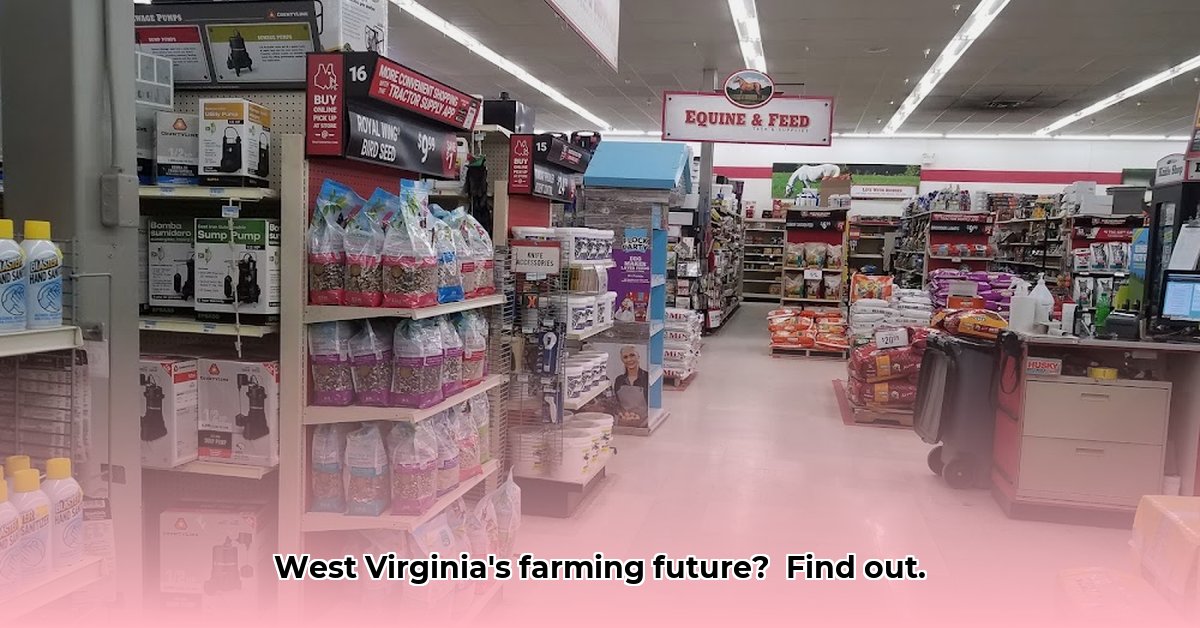
Tractor Supply Company (TSC) stores, like the one in Clarksburg, West Virginia, are ubiquitous for farmers. But how significantly do these easily accessible stores contribute to the growing movement towards sustainable agriculture in the state? This article explores TSC's current practices, potential impact, and the broader future of sustainable farming in West Virginia. For more information on Tractor Supply, visit this example store's page.
Tractor Supply's Current Practices: A Foundation for Sustainability?
TSC's current practices related to sustainable agriculture remain largely undefined publicly. While the company offers a range of products relevant to sustainable farming – including organic seeds, water-efficient irrigation equipment, and soil health enhancers – the extent of their commitment to sourcing sustainable materials and promoting environmentally friendly practices isn't explicitly detailed. Therefore, a comprehensive analysis of their current direct contribution to West Virginia's sustainable agriculture requires further public disclosures from TSC. However, the potential for contribution is significant based on the existing product range.
Leveraging FSA Programs for Sustainable Growth
Recognizing the financial hurdles in adopting sustainable practices, West Virginia farmers can utilize various USDA Farm Service Agency (FSA) programs. These programs, including the Down Payment Loan Program and Direct/Guaranteed Farm Ownership Loans, can alleviate initial investment costs, enabling broader adoption of *pertanian berkelanjutan West Virginia*. Furthermore, accessing resources through the Farm Storage Facility Loan Program can improve handling capabilities of *produk pertanian Clarksburg* in the region and support local food systems.
Sustainable Agriculture in West Virginia: Challenges and Opportunities
West Virginia's unique geography—its hilly terrain—presents challenges for large-scale, intensive farming. This has, perhaps paradoxically, fostered a more natural inclination towards sustainable farming practices that better utilize the land's inherent characteristics. However, the extent to which sustainable agriculture is currently adopted in the state requires further quantitative data analysis. The prevalence of organic farming, conservation tillage, and other sustainable methods needed for a clearer picture.
The Potential Connection: TSC and Clarksburg's Farming Future
The Clarksburg TSC's potential to impact sustainable agriculture hinges on several factors. Its convenient location provides easy access to necessary supplies for local farmers, potentially facilitating the adoption of sustainable practices. However, the actual effect depends on TSC's proactive engagement in promoting sustainability, including: explicitly showcasing sustainable product lines, investing in educational outreach programs for farmers, and actively sourcing from environmentally responsible suppliers.
Does the readily available selection of sustainable farming products at TSC directly translate into greater adoption of these practices among West Virginia farmers? Further research comparing purchasing patterns of farmers using sustainable methods with those of conventional farmers would provide a valuable answer.
Challenges and Opportunities for Increased Impact
Several factors could significantly enhance TSC's contribution to sustainable agriculture in Clarksburg and beyond:
Increased Transparency: Publicly disclosing the sourcing and sustainability standards of their product lines would foster greater trust and encourage responsible choices among consumers and farmers.
Strategic Partnerships: Collaborating with local certified organic farms and other champions of sustainable agriculture could create valuable synergies and strengthen the local food system.
Educational Initiatives: Investing in educational workshops, demonstrations, and in-store resources focused on sustainable farming practices would empower farmers to make informed decisions.
Product Diversification: Expanding the range of organic, biodynamic, and other sustainably produced supplies would broaden farmer access to the necessary resources.
Future Trends: Shaping Sustainable Agriculture
Consumer demand for sustainably produced food is rapidly increasing. This presents a compelling opportunity for TSC to position itself as a leader in promoting sustainable agricultural practices. The integration of new technologies, such as precision farming tools, and water-saving irrigation systems, will further enhance the potential for growth in this sector.
"The future of sustainable farming is intertwined with consumer demand and technological advancements," says Dr. Emily Carter, Agricultural Economist at West Virginia University. "Retailers like Tractor Supply have a pivotal role to play in connecting these demands with innovative solutions."
Conclusion: A Collaborative Path Forward
Tractor Supply, particularly the Clarksburg location, holds substantial potential to significantly contribute to the advancement of sustainable agriculture in West Virginia. Realizing this potential requires a multifaceted approach encompassing increased transparency, strategic partnerships, sustained educational efforts, and a commitment to proactively providing farmers with access to the tools and knowledge required for success. Collaboration among TSC, farmers, consumers, and policymakers will be critical in shaping a more environmentally responsible and economically vibrant agricultural future for West Virginia.